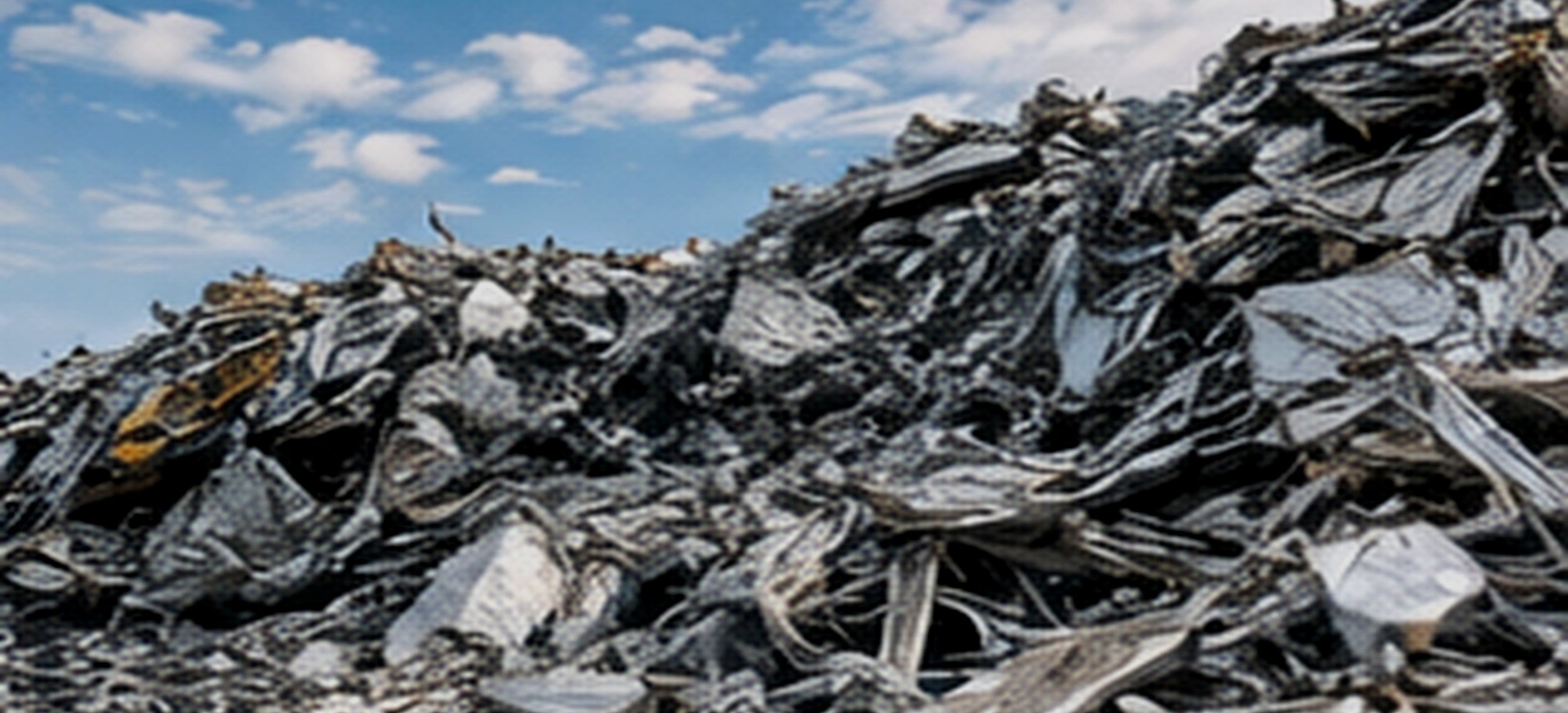
Why aluminium scrap is becoming a strategic European resource
Europe is increasingly looking at aluminium scrap as more than a waste stream. It is a secondary raw material that carries embedded energy, industrial value and strategic importance for a more circular economy.
Alvion Insights
Research and industry perspective on aluminium recycling, circular materials and European market development.
Scrap policy is becoming industrial policy
European Aluminium’s recent policy work links scrap availability and quality directly with competitiveness, resource security and the long-term resilience of the European aluminium value chain.
That shift matters because collection, sorting and recycling infrastructure determine whether recovered metal remains a low-value waste stream or returns to productive use as a reliable industrial input.
Quality matters as much as quantity
Mixed alloy streams, contamination and poor sorting can reduce the value of recovered aluminium. Europe’s circularity agenda therefore increasingly emphasises advanced sorting, design for recyclability, traceability and closer collaboration across the value chain.
For regional recyclers, this creates a competitive opportunity: better information and material discipline can be as important as physical processing equipment.
Regional processing can support resilience
A more distributed network of credible recyclers can shorten material loops, retain value closer to source and diversify Europe’s secondary-material supply base.
The Western Balkans can participate by building transparent, commercially durable processing platforms that meet the expectations of European customers and finance providers.