 01
01Circular economy2026-09-10
Why recycled aluminium matters for Europe’s industrial future
Energy, circularity and resource security are turning secondary aluminium into a strategic industrial material for Europe.
6 min readRead article

Insights
Research-led analysis on secondary raw materials, scrap quality, regional development, traceability, sustainability and green finance.
Explore aluminium recycling01Energy, circularity and resource security are turning secondary aluminium into a strategic industrial material for Europe.
 02
02How regional scrap recovery, logistics and European market access can support a stronger circular-materials platform in Southeast Europe.
 03
03A practical framework for environmental evidence, measurable outcomes, governance and investment readiness in green industrial projects.
 04
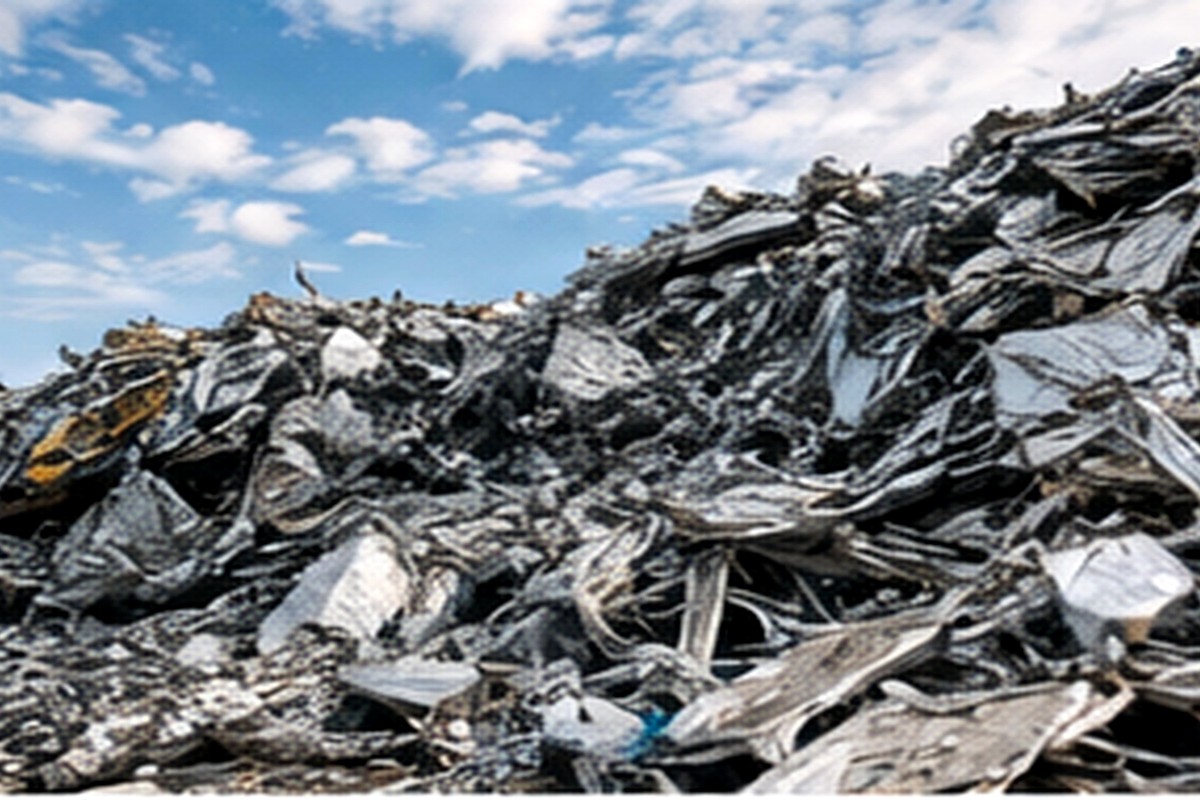
04Europe is looking at scrap not simply as waste, but as a secondary raw material linked to industrial resilience, energy and strategic autonomy.
 05
05Material origin, batch data and environmental evidence are moving from compliance files into the commercial core of secondary-material supply chains.
 06
06What green industrial projects should prepare before approaching development banks, grant programmes and impact-oriented investors.
 07
07Why recycled metal, energy discipline and credible measurement matter to lower-carbon industrial supply chains in Europe.
 08
08A regional supply strategy depends on material knowledge, supplier diversification, logistics discipline and transparent quality control.
 09
09Circularity creates the thesis; execution quality, governance, market access and measurable impact make an industrial project investable.
 10
10Why bale quality, contamination control, sorting and preparation matter when used beverage cans return to the aluminium cycle.
 11
11A practical look at clean profile scrap, alloy separation and the factors that influence value in secondary aluminium supply chains.
 12
12Material identity, contamination, preparation and consistency can matter as much as gross weight when aluminium scrap is priced for recovery.
 13
13Why wheel scrap is commercially attractive, how alloy consistency matters and what recyclers evaluate before remelting.
 14
14Moisture, cutting fluids, contamination and density can materially affect the recovery and commercial value of aluminium machining scrap.
 15
15Chemistry, documentation, consistency and delivery discipline shape buyer confidence in recycled aluminium ingot supply.
 16
16Coatings, iron, plastics, moisture and mixed alloys can change recovery economics. A practical guide to what clean scrap means in professional aluminium recycling.
 17
17Dross is part of the aluminium recovery equation. Better measurement, handling and recovery routes can improve both resource efficiency and environmental control.
 18
18A buyer-focused checklist covering chemistry, traceability, documentation, consistency, delivery discipline and responsible sourcing in secondary aluminium.