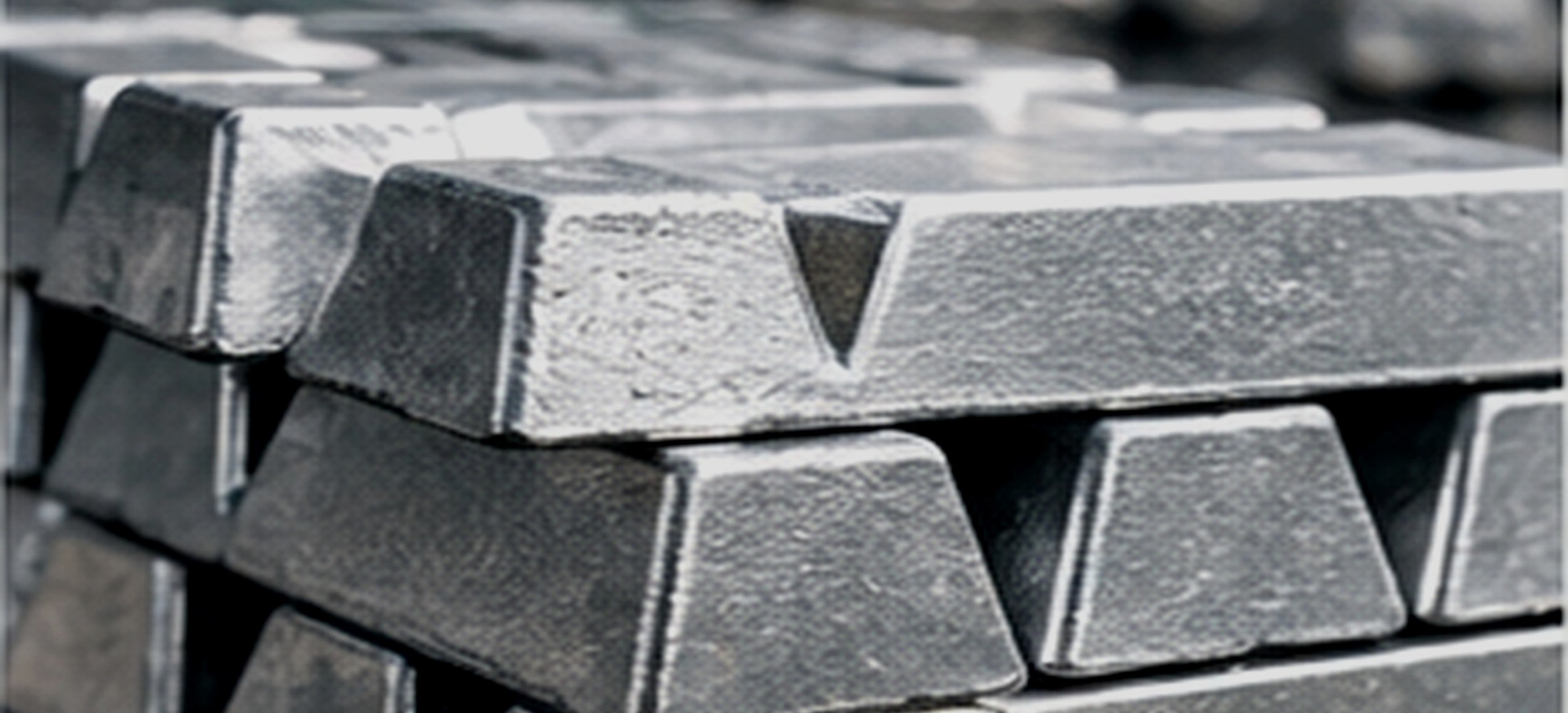
How secondary aluminium supports industrial decarbonisation
Decarbonising industry is not only about changing energy sources. It is also about keeping valuable materials in circulation and reducing the energy intensity embedded in industrial supply chains.

Alvion Insights
Research and industry perspective on aluminium recycling, circular materials and European market development.
Secondary metal changes the carbon equation
Recycling aluminium generally requires far less energy than producing primary aluminium from ore. That makes secondary metal an important part of a lower-carbon materials strategy for transport, construction, packaging and manufacturing.
The environmental case is strongest when a recycler measures its own process energy, material yield, residues and electricity or fuel mix rather than relying only on sector averages.
Efficiency is an operating discipline
Feedstock preparation, furnace practice, alloy control and residue management all influence how efficiently recovered aluminium returns to productive use.
A credible decarbonisation programme therefore links environmental objectives to operational controls, maintenance, data quality and continuous improvement.
Buyers increasingly need evidence
Industrial customers are under growing pressure to understand the footprint and origin of materials used in their products. Secondary aluminium suppliers that can provide consistent chemistry, traceability and environmental evidence are better positioned for long-term relationships.
For Balkan recyclers, this creates an opportunity to compete on reliability and transparency as well as price.